

Home Detox From Alcohol
In the present, it is often impossible to take time off work or family commitments in order to go to a rehabilitation center for alcohol. Because of this, a lot of people decide to take a home detox from alcohol.
This method is not recommended for people who are extremely addicted to alcohol. The withdrawal symptoms can be dangerous and may be fatal in certain instances.
Tapering
If you're an alcohol addict, it's important to use tapering to help you get rid of your addiction. This method allows you to slowly reduce your alcohol intake without experiencing withdrawal symptoms. It also helps you build a positive attitude and the conviction that you can stop drinking for ever. It's also a good idea to work your way down to weaker alcoholic drinks like wine or beer. This will prevent you from getting an alcohol-related hangover, which could be dangerous for those with addictions.
It is crucial to develop a tapering plan that is easy to follow throughout the detox process. This can be challenging, especially when withdrawal symptoms are making you to struggle. You can distract yourself by doing other things. For instance engage in a pastime or join a social club. You can also eat healthier foods and get enough rest. This will help you improve your ability to manage urges and manage cravings.
It is also recommended to avoid sugary foods and caffeinated beverages while you're detoxing. These foods can make it more difficult to stop drinking and can increase withdrawal symptoms. Eat protein-rich foods such as fish vegetables, fruits and lean meat as well as plenty of water. Take a multivitamin supplemented with the thiamine, melatonin and supplement with melatonin to fight insomnia and symptoms of alcohol withdrawal.
If you suffer from a serious case of alcoholism, it is best to never try to detox at home. This is because it could lead to dangerous withdrawal symptoms, including seizures and delirium tremens (DT). It's also not recommended for those with health issues or who have tried to detox before. Instead, you should seek medical assistance in a controlled environment.
Always busy
It's important to keep busy in order to reduce your drinking to avoid a temptation. It's also a good idea to exercise and eat a balanced diet and get plenty sleep. Dehydration can result from withdrawal from alcohol. You can also supplement your diet with vitamins and minerals that combat toxins to speed up the detoxification process. These steps will help you feel better and it will be easier to stay sober.
You should also eliminate alcohol from your home to be able to avoid the temptation of drinking. Tapering your alcohol intake can also help you cope with cravings and lessen withdrawal symptoms. It is also recommended to keep an inventory of sober friends and support groups you can contact in the event that you have withdrawal symptoms or other problems.
It is important to remember that detoxification is just one step in the recovery process. It is essential to adopt an approach that is holistic that includes therapy groups, group therapy and support groups. In addition, you should be patient and know that the process can take a long time.
If you're considering the process of detoxing from alcohol at home, it's best to speak with an experienced medical professional before you do. They can help you determine whether a home detox is appropriate for you and recommend the right medications to reduce withdrawal symptoms. They can also assist you to design a detox strategy that is suited to your lifestyle and goals. alcohol detox clinic can also recommend you to a treatment facility to conduct a further assessment and provide support. Additionally, they will help you develop a comprehensive recovery plan to achieve sustained sobriety.
Healthy eating
A balanced diet is important for alcohol detoxification at home. It helps replenish deficiencies in nutrients that can worsen withdrawal symptoms. alcohol detox clinic is one that supply slow-release energy, protein and essential vitamins and minerals. It must be free of sugar, salt and fat.
Alcohol withdrawal can alter the brain chemicals that regulate mood and hunger. detox alcohol home could lead to cravings for sweets and junk food. These comfort foods can improve mood temporarily but can eventually make withdrawal symptoms worse. A healthy diet can assist in alcohol detoxification by boosting mood and reducing cravings for unhealthy food.
A successful detox from alcohol should include a variety vegetables and fruits, along with lean proteins and whole grain. It should also contain lots of fluids. Drinking lots of water is vital during detoxification because it helps prevent dehydration. Water helps flush out toxins of the body and replaces the loss of fluids when withdrawal from alcohol occurs. It is a good idea to avoid caffeinated beverages such as tea and coffee, as they can make dehydration worse.
It is also important to eat foods high in electrolytes such as magnesium and potassium. These nutrients are crucial for the health of your nervous system and muscles. They are also essential to ensure proper blood circulation and to regulate your heart rate. These nutrients are found in avocados, bananas spinach, kale, nuts and kale.
Cayenne pepper is a different food that can assist with alcohol detox. This spice is an effective natural pain reliever that can ease nausea during detox. It releases endorphins, which can make you feel good. You can add it to food or take as an added supplement.
Sleeping in a lot
If you're trying to cleanse yourself of alcohol at home, getting enough sleep is essential. This is because insomnia is one of the most common withdrawal symptoms. Insomnia can make you lose focus and control of your impulses. This could increase the chance of Relapse.
A restful night's sleep can also prevent alcohol cravings. You can increase your odds of a restful night by eating an appropriate diet that has plenty of protein. A diet rich in protein can maintain your blood sugar levels and help reduce alcohol cravings. Try eating foods like edamame, eggs, lentils, chicken and lean beef. You can also drink bone broth if don't feel like eating solid food.
You should also refrain from drinking or taking other drugs while trying to get rid of alcohol. If you are experiencing withdrawal symptoms, taking any other substance can cause serious health issues. Additionally, drinking alcohol can slow the process of detoxing from alcohol making the process more difficult.
During alcohol withdrawal it is crucial to take daily multivitamin supplements. This will ensure you get sufficient amounts of vitamins and nutrients. You can take a thiamine-based supplement to lower the risk of developing Wernicke's Encephalopathy. This supplement can either be administered intramuscularly or orally, depending on what you prefer.
During alcohol withdrawal it is important to stay clear of people who encourage you to drink or allow you to do so. They can make your transition from alcohol more difficult and less likely to succeed. In addition they can cause you to feel shame or embarrassment which is not beneficial for your recovery. Also, you should avoid processed foods, which can interfere with your detox.
Getting support
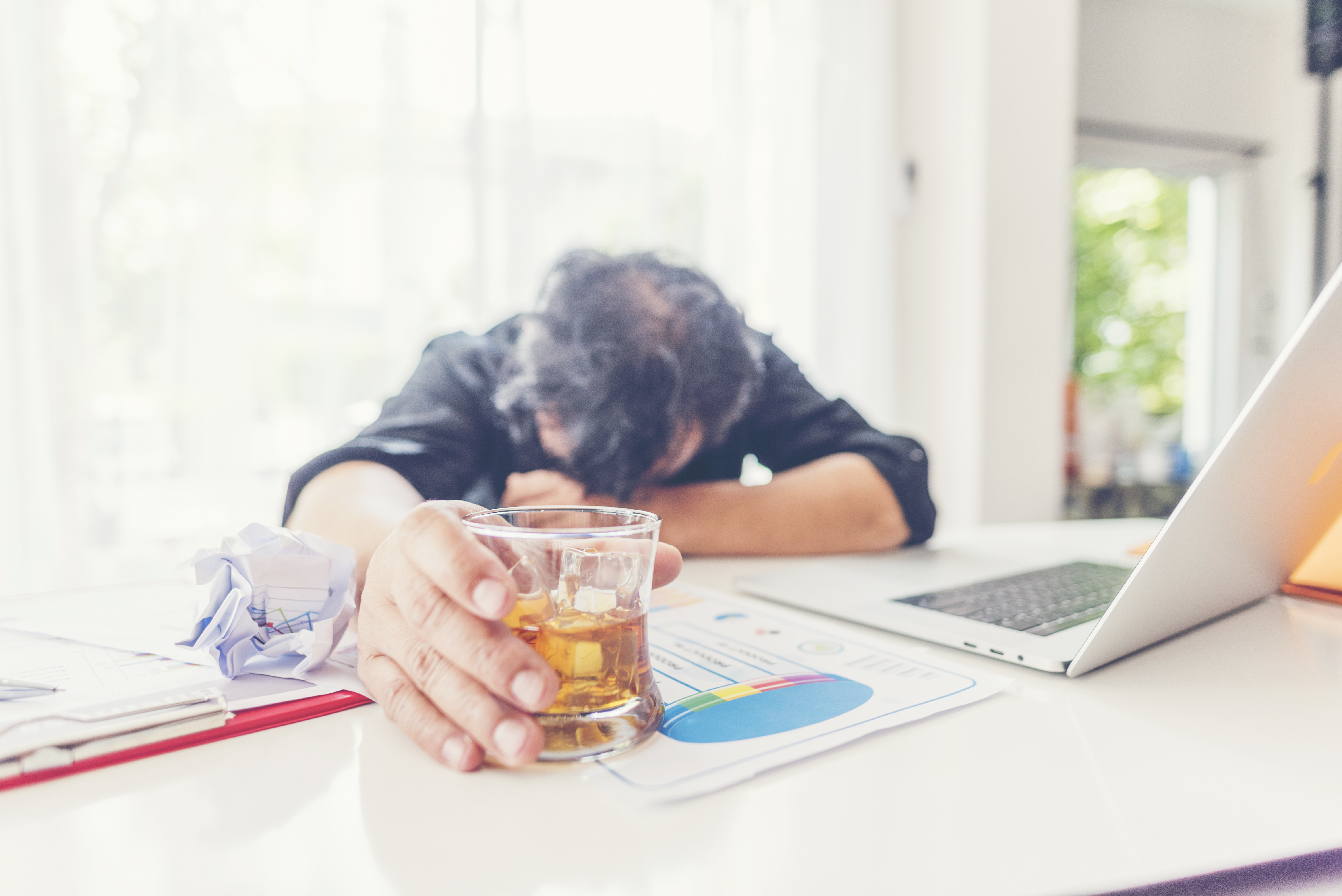
To achieve a successful alcohol detox at home, it's essential to seek help throughout the process. The support of family and friends will make it easier for you to overcome cravings and remain sober as you keep abstinence. It is also recommended that you seek advice from medical professionals. A doctor can assist you develop a plan of treatment for addiction. They may also prescribe medications to ease withdrawal symptoms. They may recommend taking the naltrexone or acamprosate. These medications can help you stay sober after having completed your alcohol detox at home.
Alcohol withdrawal can be painful and can be dangerous, particularly if you are addicted to alcohol for a long time. You might experience symptoms such as seizures and abnormal heart rhythms, based on the severity of addiction. These problems can be deadly. However, you can detox from alcohol at home by following some easy steps.
The first step is to eliminate all alcohol from your home. This can be a challenge but it's crucial to your recovery. The withdrawal from alcohol can cause dehydration, and it's essential to drink plenty of water and other fluids. It's also recommended to stay clear of caffeinated drinks and sugary drinks, which can worsen your withdrawal symptoms.
In addition to keeping active, it's a great idea to seek support from friends and family members. You can also call the DrugInfo confidential and free hotline or join a support group. You should stay clear of people who bring up your drinking habits or keep you company during withdrawal. Also, you should avoid going out on weekends at this time. alcohol detox clinic of alcohol can manifest within 6 to 12 hours of the last drink and can last for a number of days. The symptoms are most intense between 24 and 48 hours following the last drink, and they can be extremely painful.